





The 2025 Arcati report established that hybrid architecture had become the dominant model for organizations running IBM Z. The new 2026 survey reinforces that conclusion and advances it. Across the 2026 responses, the mainframe is consistently described as operating alongside distributed systems and cloud platforms. There is no evidence of isolation and no indication of sudden platform displacement. Instead, the data reflects steady coexistence across multiple architectural layers.
Hybrid architecture is not presented as a transition phase. It is described as normal.
Hybrid Environments Are the Norm, Not the Exception
A substantial majority of respondents report operating in environments in which the mainframe coexists with cloud and distributed platforms.
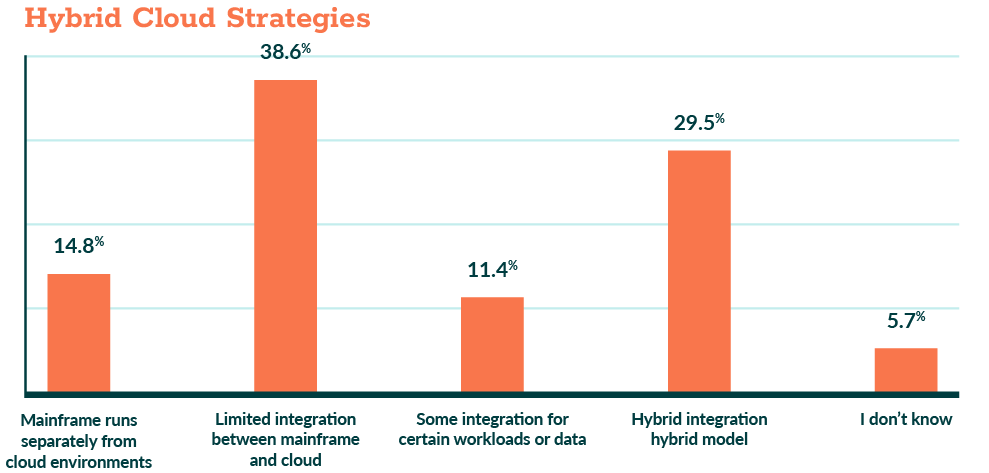
Figure 7.1: Hybrid Cloud Strategy Involving the Mainframe (2026)
Question: How would you describe your hybrid cloud strategy involving the mainframe? (Select one)
The distribution of responses shows varying degrees of integration, from limited interaction to highly integrated hybrid models. Very few respondents describe fully isolated mainframe environments. This confirms what was emerging in 2025: organizations are not deciding whether to adopt a hybrid model; they already have one in place. The variation lies in the depth of integration, not in the direction of strategy.
Workload Placement Is Intentional
The 2026 data also shows that workload placement decisions remain deliberate.
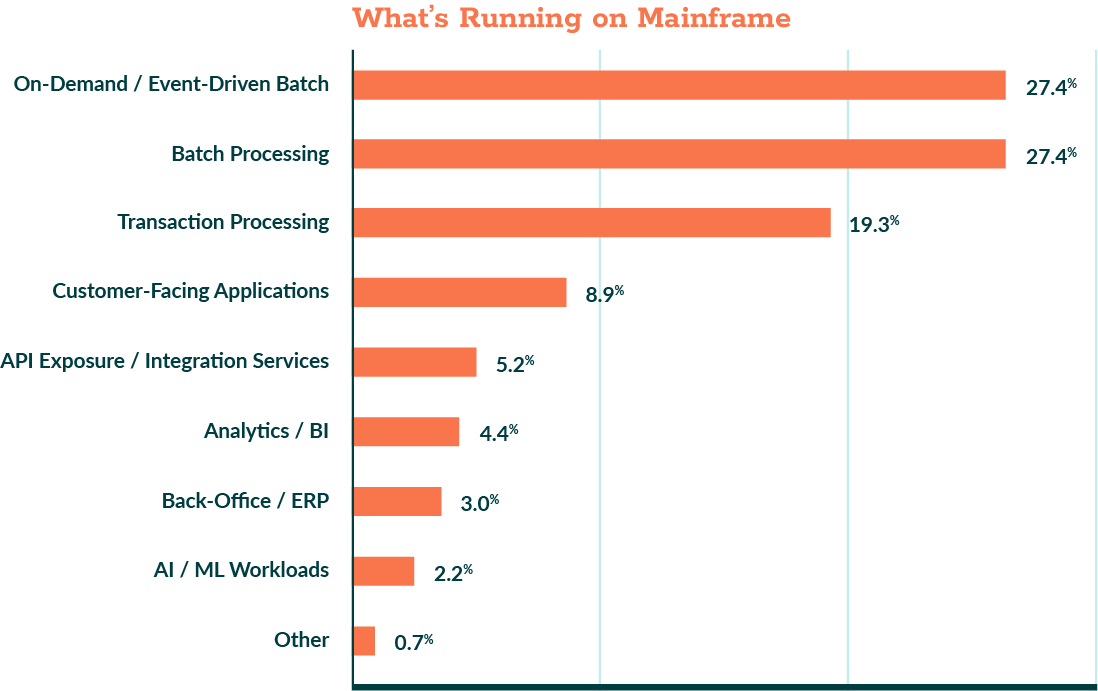
Figure 7.2: Distribution of Workloads Across Mainframe and Distributed/Cloud Platforms (2026)
Question: What specific workloads and business processes are running on MF vs distributed and cloud?
Core transaction processing and system-of-record functions remain concentrated on the mainframe. Distributed and cloud platforms are more frequently associated with front-end services, analytics, and supporting functions.
This distribution does not indicate migration away from IBM Z; it reflects architectural partitioning. Organizations appear to assign workloads based on functional fit rather than on platform preference. The mainframe retains its role where throughput, data integrity, and reliability are central. With this, surrounding platforms extend capabilities rather than replace them.
Hybrid as a Steady State
What distinguishes 2026 hybrid responses from those in earlier years is the normalization of hybrid work.
Respondents describe hybrid architecture in structural terms. There is no language of experimentation or transitional staging. The mainframe operates within a broader ecosystem that includes cloud services, distributed applications, and external integrations.
This reinforces the evolution from 2025. Hybrid strategy is no longer the story; hybrid management is.
What the 2026 Hybrid Data Shows
The survey data support several grounded observations:
- Hybrid environments are widespread and mature.
- The mainframe remains central within multi-platform architectures.
- Workload placement reflects functional requirements rather than uniform migration.
- Integration depth varies, but displacement is not the dominant pattern.
Taken together, the 2026 responses depict hybrid architecture as an enduring operating model. Organizations are balancing platforms rather than replacing them. As hybrid environments mature, architectural decisions increasingly intersect with governance, security, and operational resilience.
The next section examines how respondents address security and risk management in environments that span multiple platforms, including IBM Z.


0 Comments