




AI as an Integration Catalyst
Across the 2026 Arcati Mainframe User Survey, AI is not described as a force that displaces the mainframe. Instead, respondents most frequently associate AI adoption with expanded hybrid integration.
When asked how AI will impact IBM Z usage overall, the largest share expects AI to drive hybrid models, where AI services run off-platform but increase integration with mainframe data and workloads. A smaller share expects increased mainframe usage. The dominant expectation is integration, not exit.
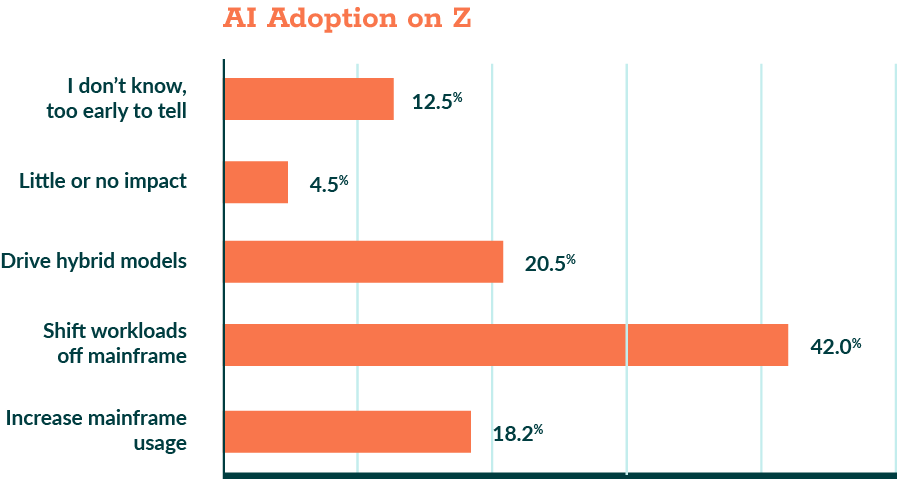
Figure 10.1: Expected Impact of AI Adoption on IBM Z Usage (2026)
Question: How do you expect AI adoption to impact IBM Z usage overall?
Measured Impact Over the Next 3–5 Years
Respondents expect AI to influence their environments, but most describe the impact as minor to moderate rather than transformational.
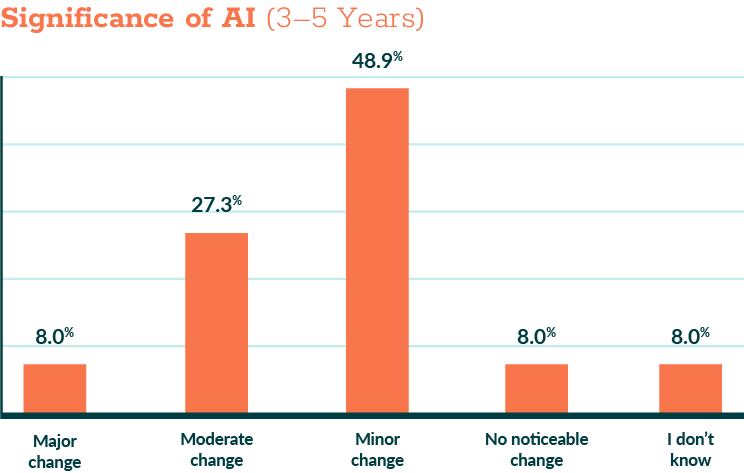
Figure 10.2: Expected Significance of AI Impact Over the Next 3–5 Years (2026)
Question: How significant do you expect this impact to be over the next 3–5 years?
This aligns with patterns seen elsewhere in the responses. Change is expected, but it is sequenced within existing governance and operational constraints.
AI Use Cases Focus on Operations and Risk
The most frequently cited AI use cases concentrate on operational refinement and protection of core systems. Anomaly detection, performance optimization, and security monitoring rank higher than more experimental or generative use cases. Fraud detection and transaction analysis also appear prominently.
Running AI models directly on IBM Z is less common, reinforcing the view that AI is being layered on top of the mainframe rather than embedded deeply within it. AI, as described by respondents, is primarily an operational enhancement tool.
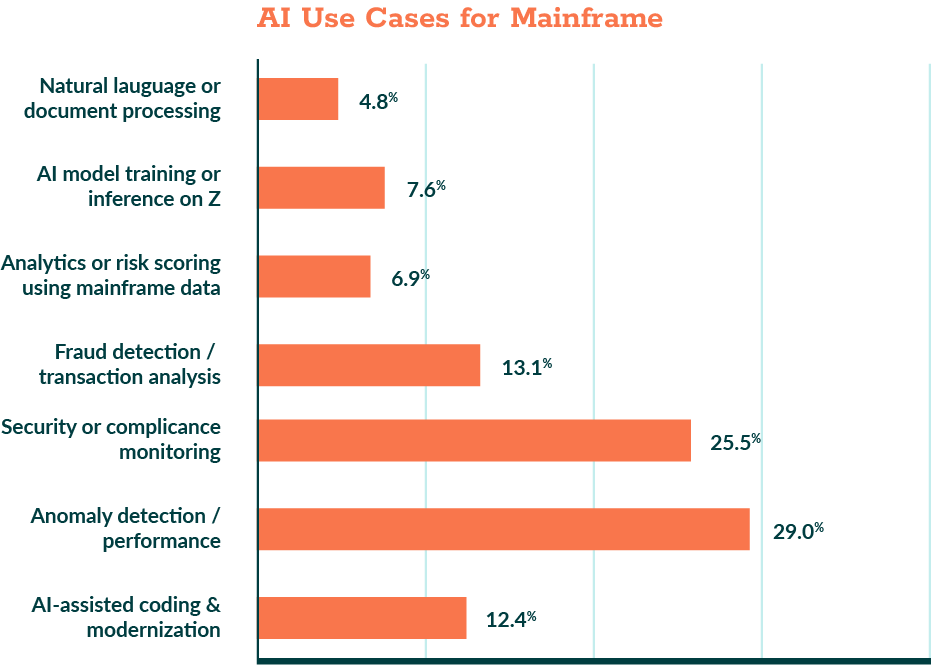
Figure 10.3: AI Use Cases Relevant to the Mainframe Environment (2026)
Question: Which AI use cases are most relevant for your mainframe environment?
Where AI Will Run
When respondents consider where AI workloads will execute, the top responses are public cloud environments, Linux on Z or LinuxONE, and hybrid deployments. Direct execution on IBM Z or private cloud is less frequent.
The execution location varies, but the dependence on mainframe data remains consistent. AI does not reduce reliance on Z data assets; it increases integration demands.
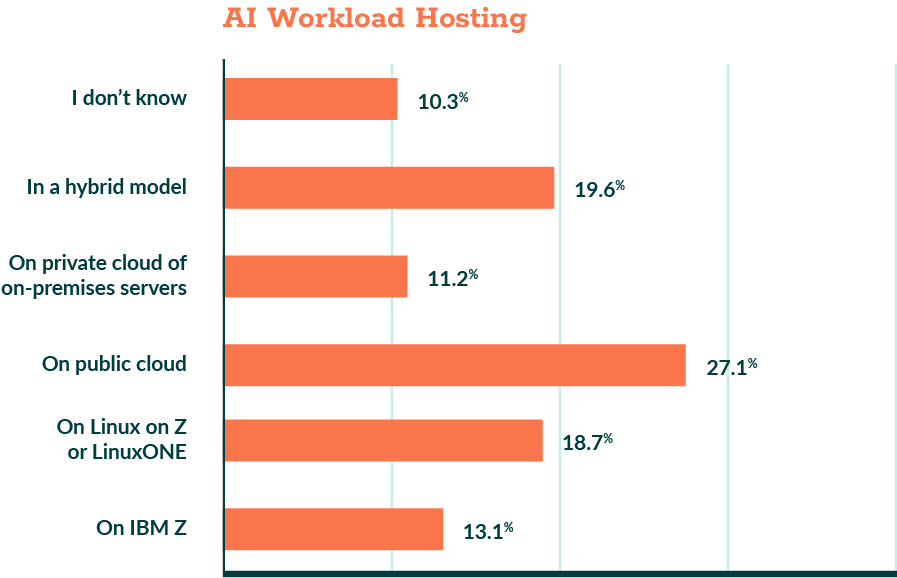
Figure 10.4: Planned Hosting Locations for AI Workloads Related to Mainframe Data (2026)
Question: Where does your organization plan to host or run AI workloads related to mainframe data?
Goals: Insight, Performance, and Governance
Respondents describe their goals for AI in terms of performance improvement, security strengthening, operational automation, and gaining insight from mainframe data. Cost reduction is evident but does not dominate.
The pattern mirrors the rest of the report, with AI framed as a way to refine operations, manage risk, and extend value.
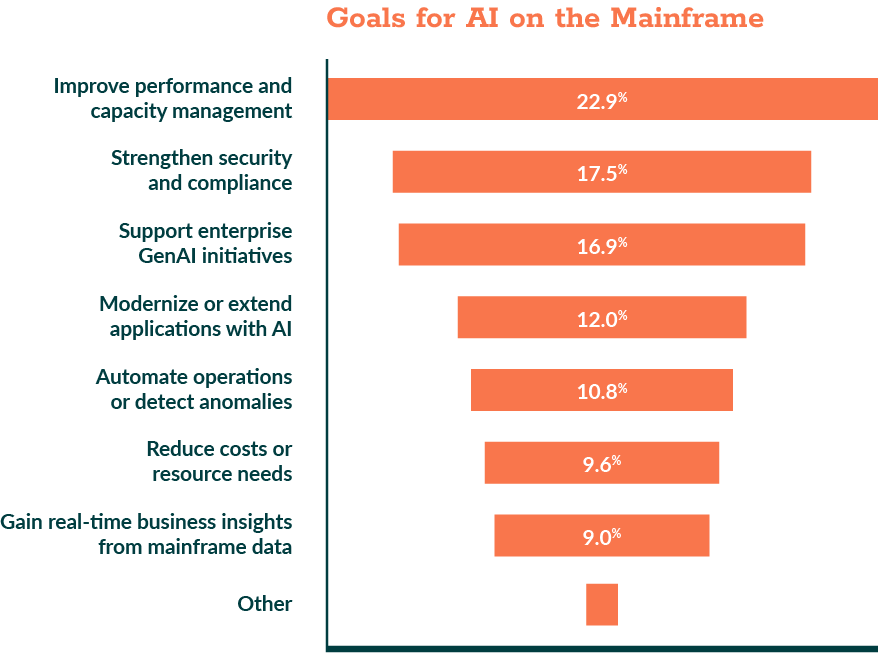
Figure 10.5: Primary Goals for Using AI with the Mainframe (2026)
Question: What are your main goals for using AI with the mainframe?
AI and Hybrid Complexity
The survey also confirms that most organizations already operate in hybrid environments. AI adoption intensifies pressures around data integration, observability, governance, and cross-platform skills.
AI does not introduce a new architectural paradigm. It increases the importance of managing what already exists.
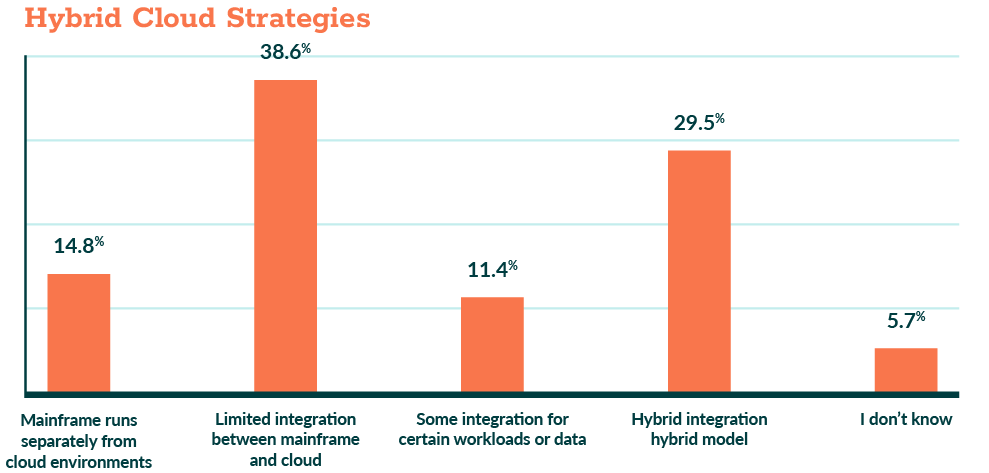
Figure 10.6: Hybrid Cloud Strategy Involving the Mainframe (2026)
Question: How would you describe your hybrid cloud strategy involving the mainframe?
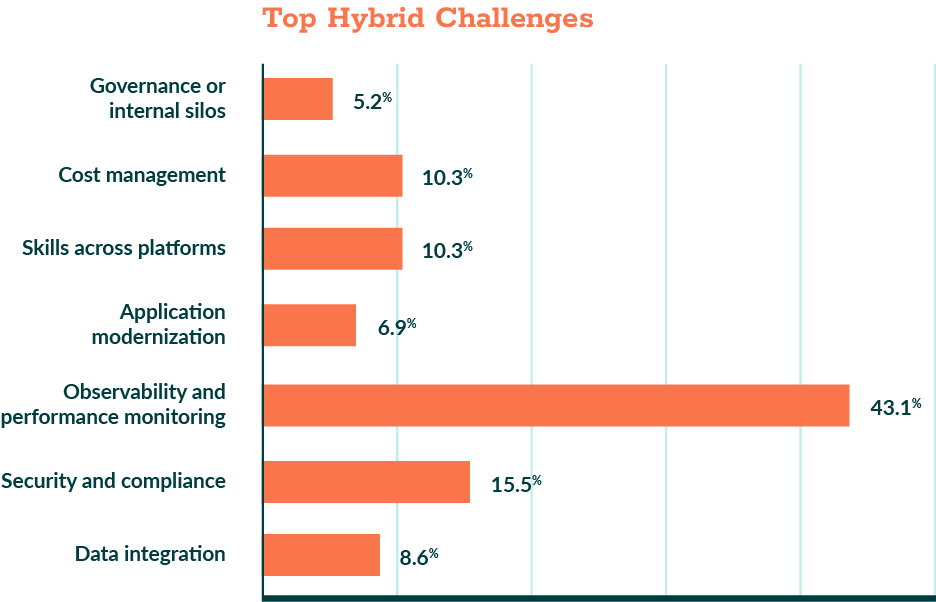
Figure 10.7: Top Challenges in Managing Hybrid Environments Including the Mainframe (2026)
Question: What are your biggest challenges in managing hybrid environments that include the mainframe?
What stands out most is not technology adoption, but decision posture. Organizations are modernizing deliberately, sequencing change, managing risk, and treating data integrity as non-negotiable infrastructure. And here’s the real warning embedded in the data: AI will amplify whatever foundations we give it. Without trusted systems of record, disciplined governance, and human judgment, AI becomes a confidence engine, not a truth engine.
What the AI Data Signals
Taken together, the 2026 Arcati survey data suggests:
- AI is expected to strengthen hybrid architectures, not replace the mainframe
- The impact of AI is viewed as incremental and controlled, not disruptive
- AI use cases prioritize operational intelligence, security, and performance
- AI workloads are expected to run adjacent to the mainframe, with strong data dependency
- Integration complexity, not platform capability, is the dominant challenge
AI adoption, as described by respondents, reinforces the mainframe’s role as a data-rich, mission-critical platform whose value increases as analytical and AI-driven services consume and act on its data. AI, in the 2026 data, functions as an amplifier of integration complexity and operational expectations. It does not function as a trigger for exit.

0 Comments