





As mainframe environments become more integrated, organizations are not actively expanding headcount. Instead, they are investing in tooling, automation, and process refinement to sustain reliability while accommodating change.
Rather than signaling a wholesale shift in platform strategy, tooling adoption reflects pragmatic responses to workforce constraints, risk management requirements, and evolving application architectures.
Staffing Levels and Technology Investment
The relationship between staffing and technology investment provides an important baseline for understanding operational strategy.
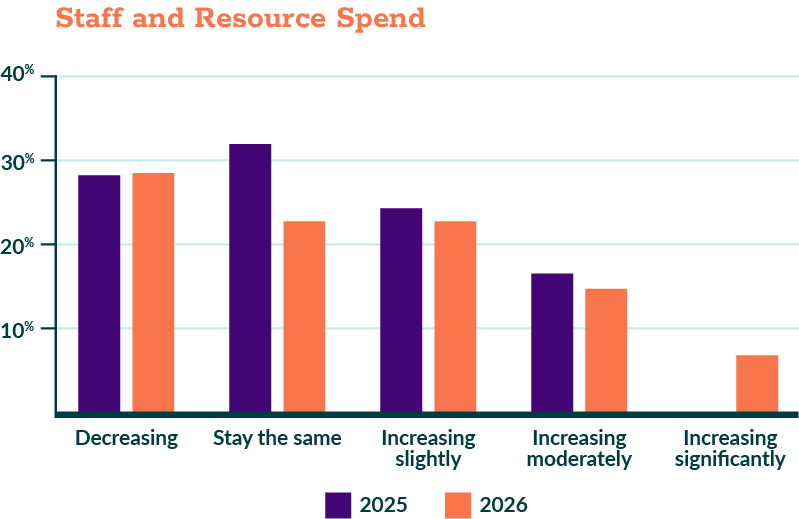
Figure 6.1: Mainframe Staffing Spend Trends (2025–2026)
Question: How has your organization’s spending on staffing and resources for managing IBM Z systems changed in recent years?
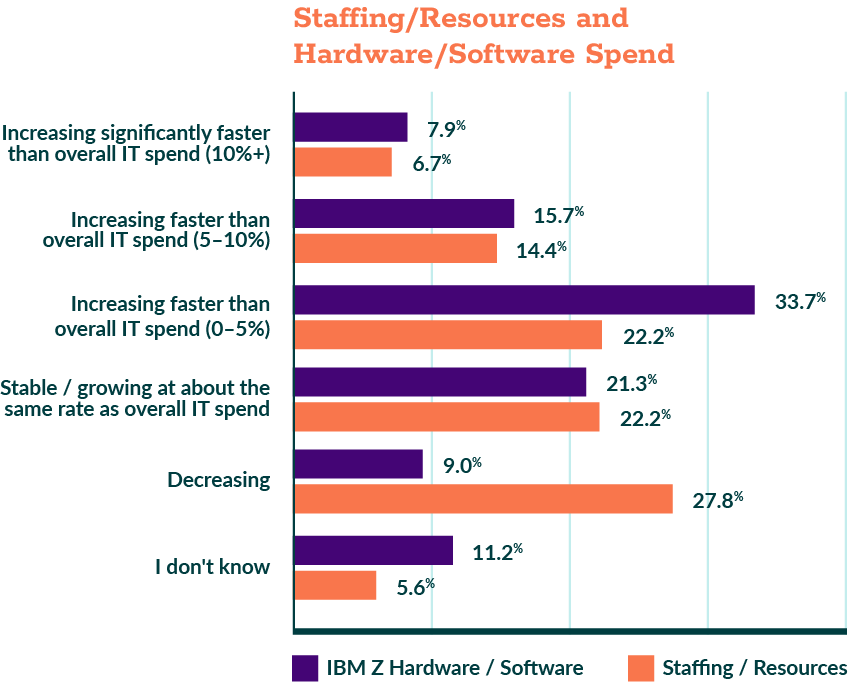
Figure 6.2: IBM Z Hardware/Software Spend Growth (2026)
Question: How fast is your IBM Z-related IT expenditure growing for hardware/software?
Across respondents, staffing levels tend to remain stable or grow modestly, even as hardware and software investment continues. This indicates that organizations are not relying on workforce expansion as their primary lever for modernization. Instead, they are improving how existing teams operate.
This pattern reinforces a broader operational posture: sustained investment in the platform without proportional increases in headcount.
Rules-Based Automation as Operational Infrastructure
Automation within mainframe environments appears structured rather than experimental.
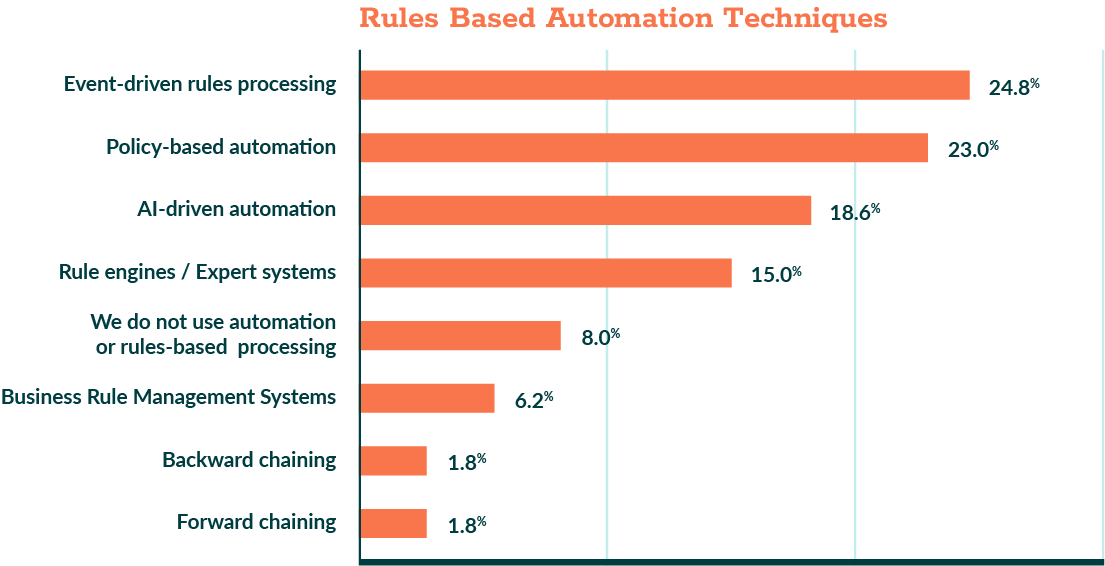
Figure 6.3: Rules-Based Automation Techniques in Use (2026)
Question: What are the main techniques your organization uses for rules-based automation on mainframe systems? (Select all that apply)
Respondents report using established automation approaches for batch processing, monitoring, orchestration, and operational control. Automation is focused on repeatable, risk-sensitive functions rather than speculative transformation.
The data suggest that automation functions as operational infrastructure, reducing manual friction and increasing reliability, but it does not replace experienced staff. Instead, it supports small teams managing complex environments.
Technology Adoption and Operational Modernization
Beyond automation, the survey also captures broader technology adoption patterns. Adoption appears selective and phased. Organizations are not adopting new technologies indiscriminately. Instead, they evaluate new capabilities in the context of governance, risk, and integration requirements.
This measured approach mirrors earlier findings around upgrade cadence and modernization timing. New tools are introduced that improve observability, automation, or integration. They are not introduced simply to signal transformation.
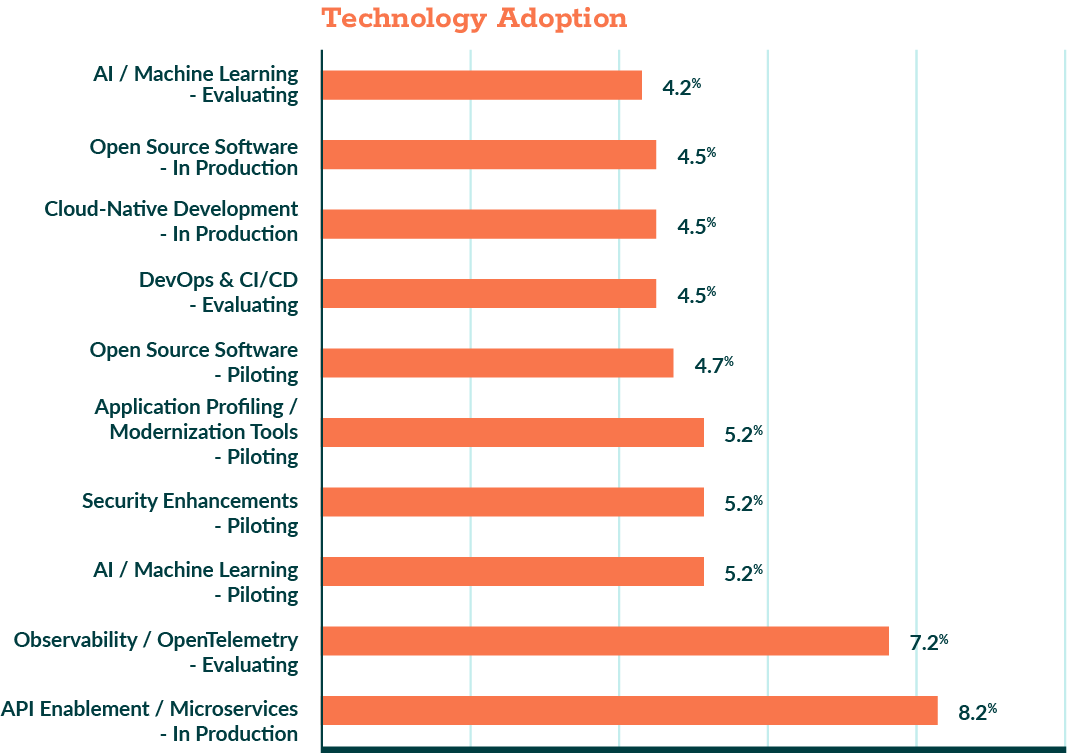
Figure 6.4: Adoption of Key Technologies (2026)
Question: Where is your organization on the adoption of each of these technologies?
IT and Mainframe Priorities
Operational enablement also shows up clearly. Priorities cluster around optimization, integration, modernization, security, and resilience. Few respondents frame their goals in terms of platform exit or wholesale restructuring. Taken together, staffing stability, automation investment, and priority alignment point to a consistent strategy. Organizations are refining operations rather than redefining the platform.
Priorities:
| 1 | Improving IT responsiveness and time-to-market | 29.8% |
| 2 | Platform engineering/building internal developer platforms | 29.8% |
| 3 | DevOps adoption | 28.6% |
| 4 | Cost optimization | 27.4% |
| 5 | Innovation through AI/ML | 25.0% |
| 6 | Compliance | 20.2% |
| 7 | Security improvement | 19.0% |
| 8 | Talent sourcing, training, and retention | 14.3% |
| 9 | Automation | 13.1% |
| 10 | Cloud integration | 11.9% |
| 11 | Sustainability | 9.5% |
| 12 | Resiliency | 8.3% |
| 13 | Other | 1.2% |
Figure 6.5: Top IT and Mainframe Priorities for the Next Year (2026)
Question: What are your top 3 priorities for next year related to IT and mainframe? (Select up to 3)
Efficiency Over Expansion
The combined data from staffing, automation, adoption, and priority questions reveal a coherent operating model:
- Staffing remains relatively stable.
- Automation reduces operational friction.
- Tooling improves observability and control.
- Investment continues without rapid structural change.
Operational enablement is therefore not a side activity. It is the mechanism by which organizations manage complexity without materially expanding team size. The mainframe is being modernized through disciplined process improvement.
As operational tooling absorbs complexity and stabilizes hybrid interaction, attention shifts to the economic dimension of these decisions. The next section examines how respondents evaluate cost, value, and return on investment within these controlled modernization frameworks.

0 Comments