



If you’ve ever been to a SHARE conference, you know the energy. There’s this buzz of people who are genuinely passionate about what they do. Orlando was no different, and sitting down with Tony Anter in the middle of all that felt right at home.
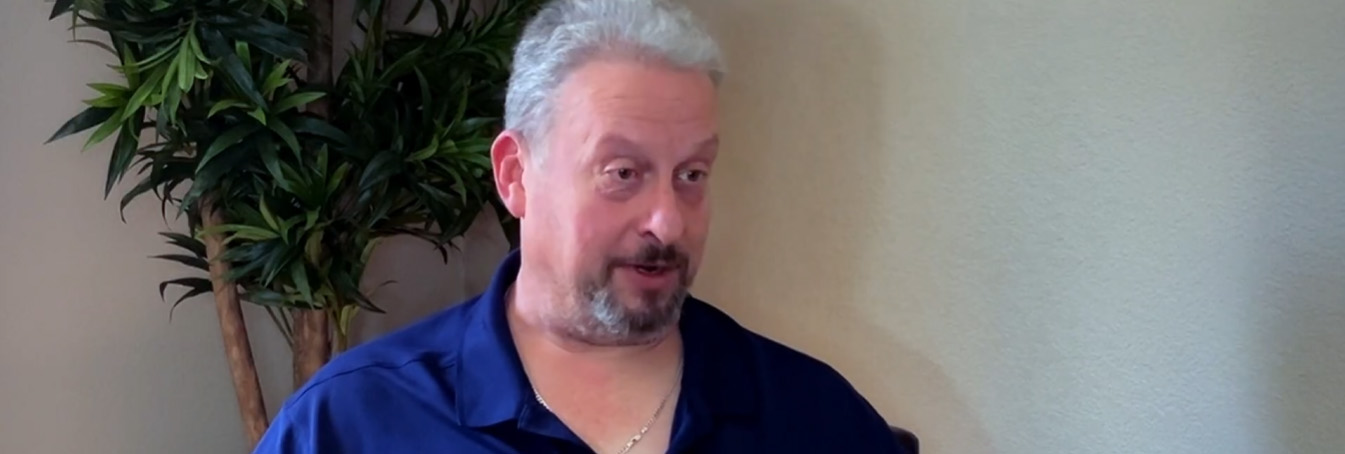
Tony and I have had the chance to chat before, and every time we do, the conversation goes somewhere good. He’s a Director at Large on the SHARE Board and a strategist at BMC. He’s been around this platform for a long time, and he doesn’t sugarcoat things, which I appreciate.
We started where most mainframe conversations start these days, with AI, and Tony didn’t apologize for it. He actually joked that he was taking bets on how many seconds would pass before someone said “AI.” But his enthusiasm is backed up by substance.
He’s specifically excited about:
- The way the mainframe is embracing AI workloads
- The way IBM’s Telum II processor and Spyre Accelerator on the z17 are bringing compute right next to the data it needs
- The way hybrid computing is starting to take shape, with some workloads moving to the cloud while the heavy lifting stays on the mainframe, where it belongs.
Seeing over 140 students at the show lit him up, some from Northern Illinois University and others from around the country. That kind of energy is exactly what this platform needs, because as Tony put it, “It’s the best platform out there. People just went to sleep for about 25 years, but they’re waking up now.”
Excitement aside, Tony was also quick to pump the brakes on any premature victory laps. The “silver tsunami” is still coming, and we can’t afford to go back to sleep thinking everything is fine. The skills gap is real, and we have to keep our eyes on it. His belief is that AI, DevOps, modern IDEs, and APIs will close that gap over time, making the mainframe feel like familiar ground to a new generation of developers.
And on that note, his thoughts on green screens are noteworthy: “Learning 3270 today is like a hazing ritual. The younger generation is coming in asking why they can’t use VS Code, why it isn’t like the GitHub repo they set up in school — and honestly, that’s a fair question.”
“Learning 3270 today is like a hazing ritual.”
That led us into a conversation about developer experience, which Tony feels strongly about. He quoted Gene Kim on this one, adding, “Development should be a delight.” He believes that if you’re asking developers to toil every day just to get their job done, they’re going to leave no matter what you pay them.
Instead, Tony suggests meeting them where they are with VS Code, Git, and modern workflows, and get them productive in months, not years. When you do that, you’re not just solving a pipeline problem; you’re building a culture that attracts and keeps top talent. He also gave a nod to DORA’s research on this, which has long shown that developer experience is a direct driver of performance, retention, and business outcomes.
I asked him point-blank whether he’d go into mainframe if he were 25 today. He brought up his own 18-year-old son, who is considering engineering, which made the answer feel really honest. His take was that the mainframe sits at the core of the largest and most financially stable companies in the world, and if you want to command a serious salary, it’s not a bad place to land. And with AI coming to the platform the way it is, you don’t have to choose between cutting-edge work and the mainframe anymore. You can have both.
He also made a point I really liked: the mainframe is just another platform. Treat it that way, don’t make yourself exclusive to it or from it, and you’ll be better for it.
On the AI and jobs question, he used an analogy I really liked. Nobody hand-drills furniture anymore, with power tools available. AI is your power tool. It helps with the heavy lifting, gets you started, and handles the skeleton work. You still have to bring the expertise. He’s clear-eyed about the fact that some tasks will shift or go away, but he sees AI as an amplifier of human skill, not a replacement for it. At least for now. He was careful to say that the next couple of years will tell us a lot.
Tony was also on the panel that made some big announcements at the show’s opening. SHARE is launching Blueprint Events, focused deep dives on critical topics facing the industry. The first will center on Post-Quantum Cryptography, which is a bigger deal than it might sound. As quantum computing rises, the encryption algorithms that make our systems secure today could become non-viable, and the mainframe community needs to be ready for that.
The Future and SHARE 2027
On top of that, SHARE is moving to one conference per year starting next year. The one event will occur in Denver, which should make for a tighter, more focused event. They’re also placing greater emphasis on their learning management system so members can access sessions and expert content year-round, not just when the conference schedule aligns. And there’s a membership revamp coming, so keep an eye on the SHARE website and your inbox for details.
He closed with a line he’d used on the main stage that I love.
“We’re 30 years into the predicted death of the mainframe, and workloads are actually going up.”
That pretty much says it all. Tony has a way of being both realistic and optimistic, which is exactly the kind of voice this community needs.
Thanks, Tony, looking forward to the next conversation.



0 Comments